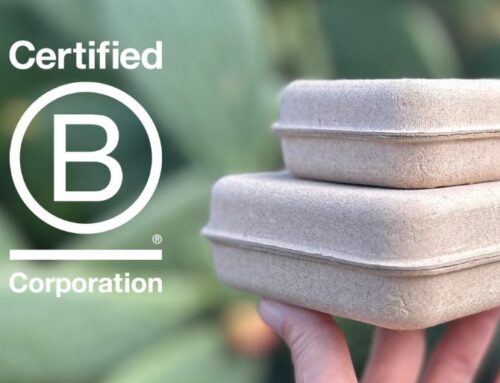
Plastic-Free Molded Fiber & Extended Producer Responsibility (EPR)
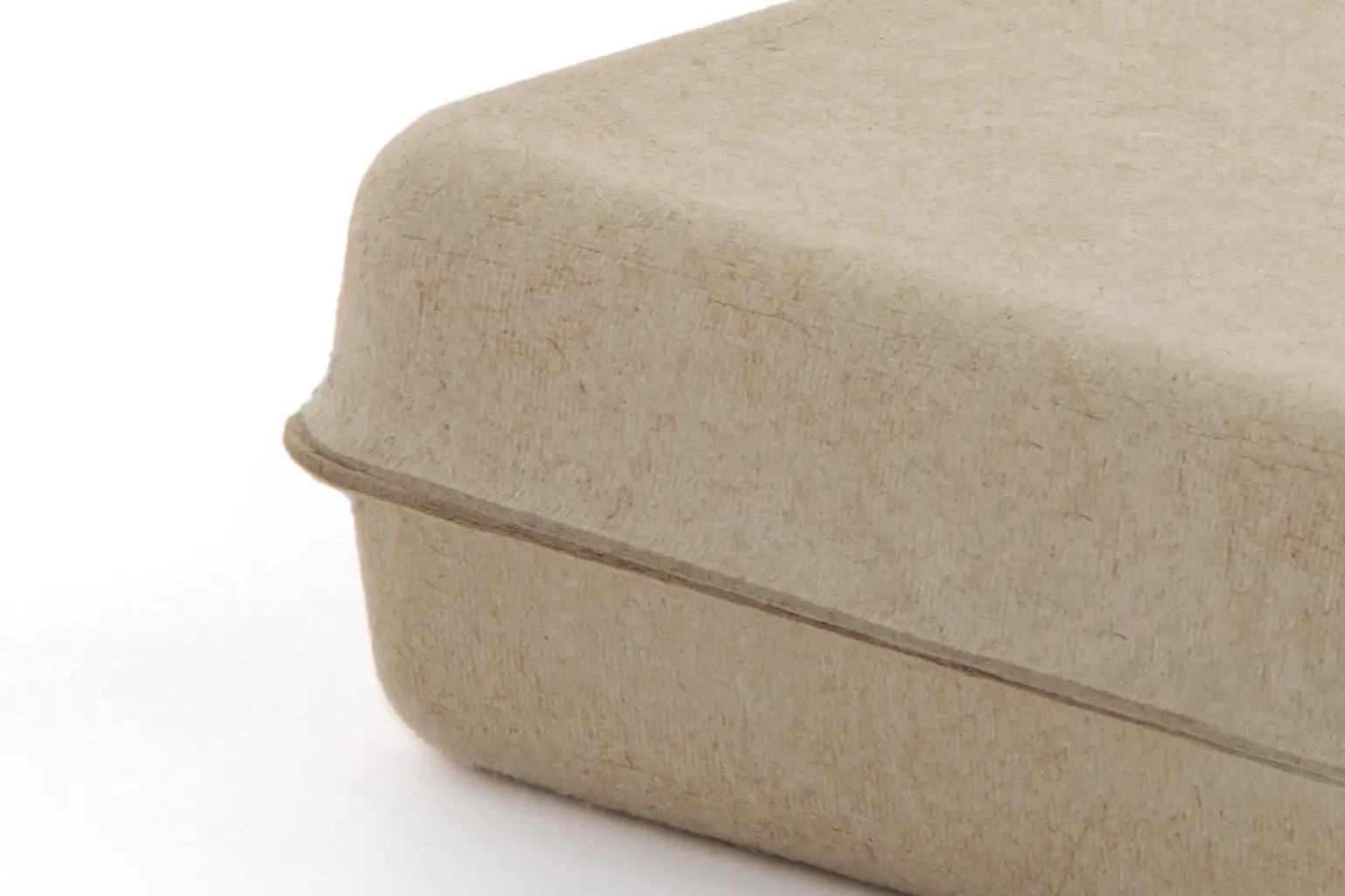
A Smart Choice for Evolving EPR Requirements
As Extended Producer Responsibility (EPR) programs expand, the materials used in packaging can have a growing impact on both environmental goals and producer costs. Plastic-free molded fiber offers an advantage as a fiber-based packaging solution designed to fit established paper recycling streams.
2–5¢ per pound
Current estimated 2027 California EPR base fee range for molded fiber packaging without plastic components.No plastic-specific assessments
Plastic-free molded fiber avoids EPR assessments specifically tied to plastic packaging components.
Under California’s SB 54 program, current estimated fee estimates place molded fiber without plastic components among the lower-cost packaging material categories. Many plastic, foam, plastic-coated, and multi-material packaging formats may face higher base fees and, in some cases, additional plastic-specific assessments.
How Does Plastic-Free Molded Fiber Compare?
California’s current 2027 estimated EPR fee estimates show significant differences between plastic-free molded fiber and many common packaging materials.
| Packaging Material | Illustrative 2027 Base Fee * |
|---|---|
| Plastic-Free Molded Fiber | 2–5¢ / lb |
| Paperboard – No Plastic | 1–4¢ / lb |
| Paperboard with Plastic Coating/Lining | 6–16¢ / lb |
| PP – Rigid Containers, Trays & Tubs | 11–24¢ / lb |
| PET – Rigid Containers, Trays & Tubs | 12–36¢ / lb |
| Expanded Polystyrene / Foam Containers | 47–127¢ / lb |
Plastic-free molded fiber is among the lower projected EPR base-fee categories while providing the three-dimensional form, cushioning, product protection, and structural capabilities often provided by rigid plastic or foam packaging.
While traditional paperboard also has low projected base fees, molded fiber can provide more complex three-dimensional packaging structures—including trays, inserts, protective components, and fully custom-formed packaging—without relying on rigid plastic or foam.
Plastic Can Carry Additional EPR Costs
The base fee comparison does not tell the entire story. In addition to higher projected base fees for many plastic packaging categories, plastic components may also be subject to separate assessments associated with California’s EPR program, including reuse investment and Plastic Pollution Mitigation Fund assessments.
Choosing packaging without plastic components can therefore offer advantages beyond the base material fee.
Mono-Material Simplicity
Plastic-free molded fiber offers another important advantage: mono-material simplicity.
Made from paper fiber without plastic coatings or laminates, molded fiber avoids the added complexity of multi-material packaging that can be more difficult to separate and recycle. A simpler material composition can support a clearer recycling pathway while reducing reliance on plastic components.
One material. A simpler path to recycling.
For brands developing custom packaging, this creates an opportunity to combine structural design and product protection with a simpler material strategy. Molded fiber can be engineered around the product itself—creating custom shapes, cavities, inserts, trays, and protective structures—while maintaining a fiber-based packaging solution.
Key Advantages of Plastic-Free Molded Fiber
- Lower projected California EPR base fees than many rigid plastic, foam, and multi-material packaging categories.
- No plastic-specific EPR assessments when the packaging contains no plastic components.
- Mono-material simplicity without plastic coatings or laminates.
- Designed for established paper recycling streams.
- Three-dimensional design and protection that can replace packaging functions traditionally performed by rigid plastic or foam.
- A material strategy that can help brands prepare for evolving EPR and packaging sustainability requirements.
Beyond California: EPR Is Expanding
California is part of a growing national shift toward Extended Producer Responsibility for packaging. Other states, including Oregon, Colorado, Maine, Minnesota, Maryland, and Washington, have enacted packaging EPR laws, with programs at different stages of implementation.
Each state has its own material classifications, fee structures, and program requirements, so California’s projected fees should not be treated as national EPR rates. However, emerging EPR programs increasingly consider factors such as material composition, recyclability, and the challenges associated with managing different packaging materials.
For brands making long-term packaging decisions, plastic-free molded fiber offers a material strategy well suited to this evolving landscape. Its combination of fiber-based recyclability, mono-material simplicity, structural performance, and freedom from plastic components can help reduce reliance on packaging formats that may face greater recycling challenges and higher EPR costs.
Designed for an evolving EPR landscape
Plastic-free molded fiber combines the structural capabilities of three-dimensional packaging with the simplicity of a recyclable fiber-based material.
* Source: Circular Action Alliance (CAA), California 2027 Estimated Fee Schedule, published May 2026. Fees shown are estimated, non-binding estimates and are subject to change. Actual fees may depend on material classification, packaging design, weight, components, eco-modulation, and final program requirements.
More Information
Certified USDA BioBased Content
Read More
Circular Action Alliance
Keep Updated

What is Molded Pulp?
Learn more